Acrylic vs Metal Prints: Advice From a Fine Art Photographer
You’ve found the perfect photograph! Now you have to make an important decision that will transform it from beautiful to breathtaking: should you get a metal or acrylic print?
This isn’t just about materials. It’s about how the art lives in your space, how it interacts with light, and how it holds up over time. Whether you're curating a private collection or designing a home that deserves statement pieces, the medium matters.
As a fine art photographer and gallery owner, I’ve spent years dialing in the perfect print process. I’ve tested them all, and trust me, not all acrylic and metal prints are created equal. Here’s everything you need to know to choose the right medium for your space, your vision, and your investment.
Acrylic vs Metal Prints: Materials & Construction
What Is an Acrylic Facemount and How Is It Made?
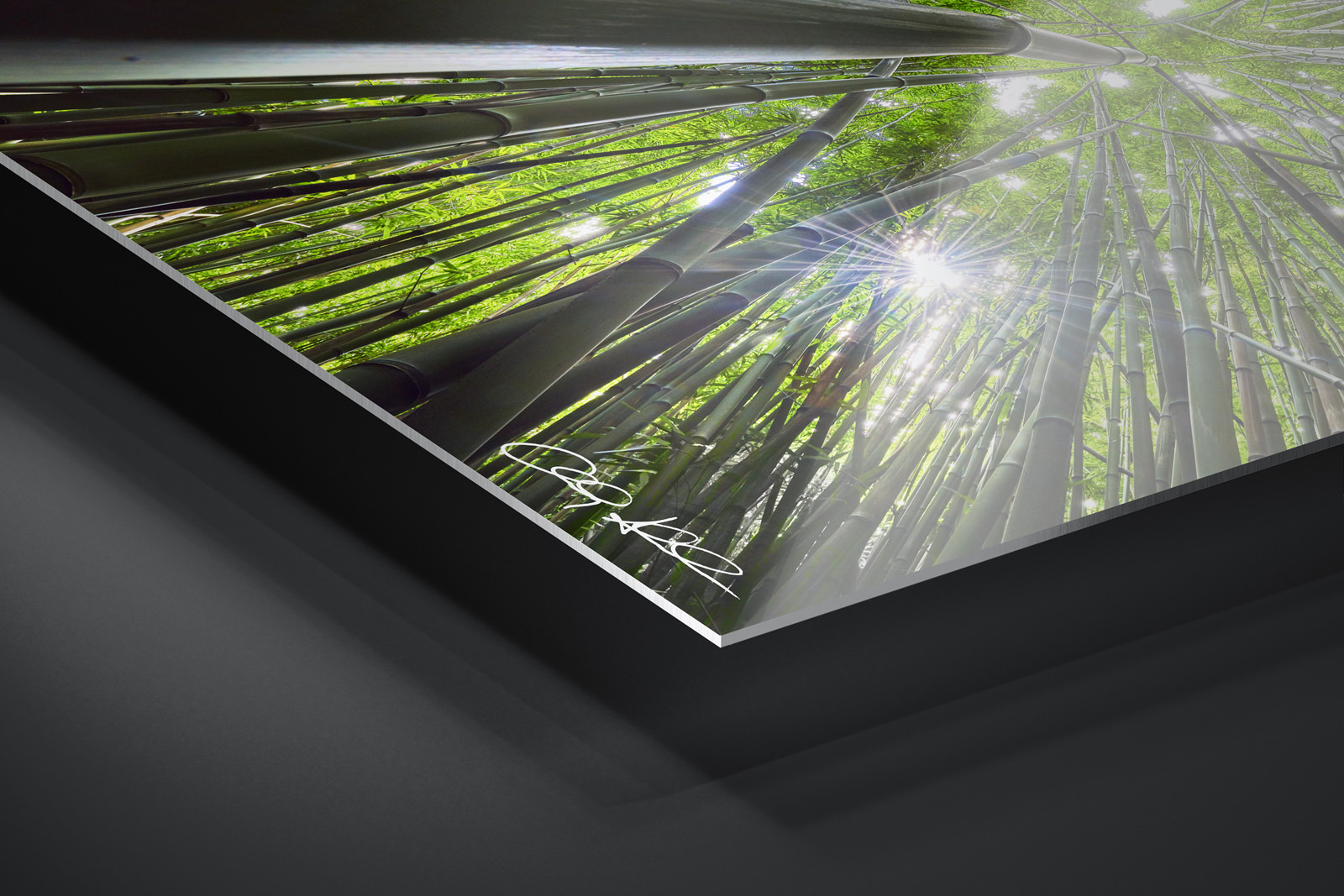
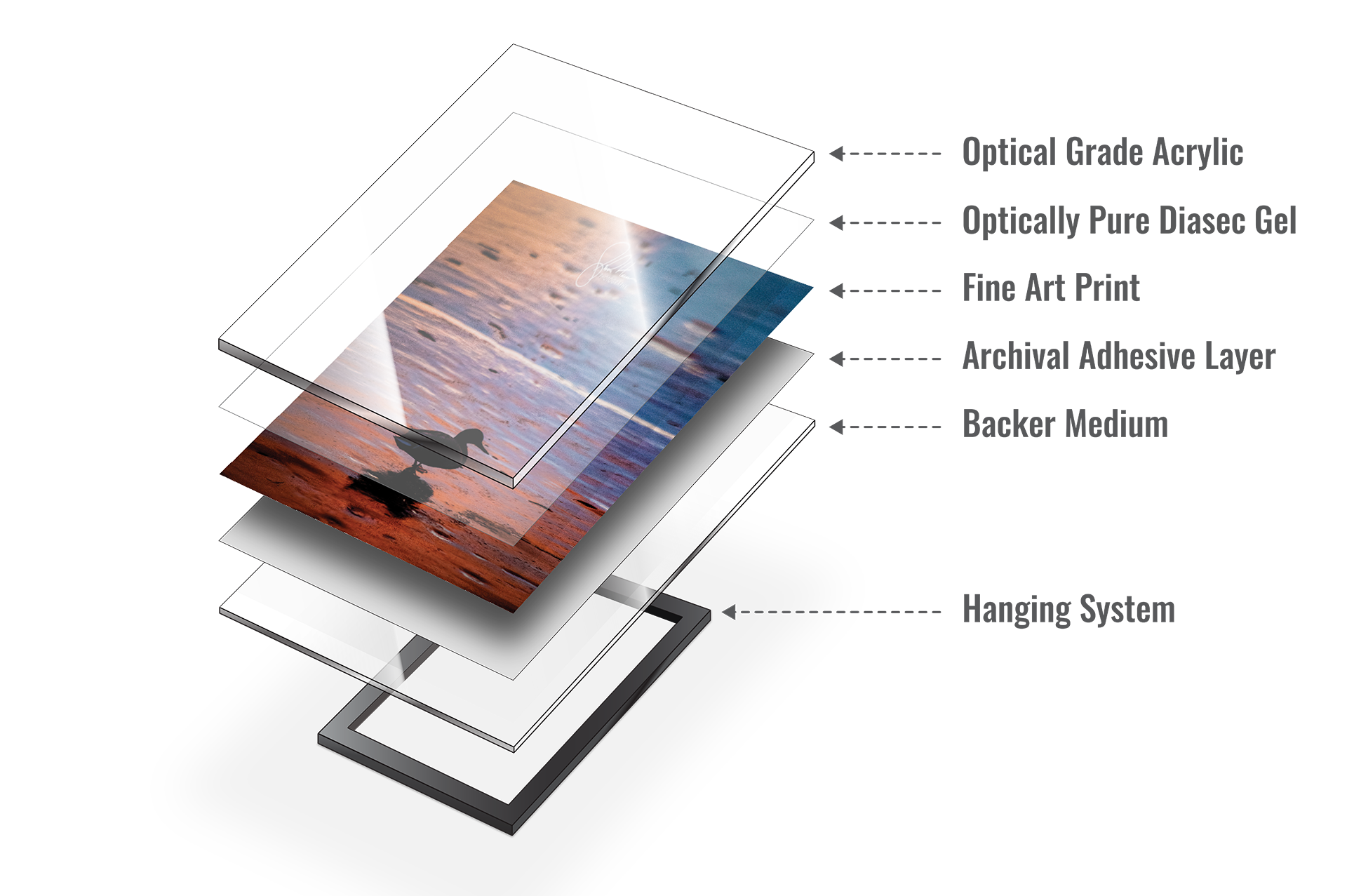
Acrylic facemounts are the gold standard for museum-quality fine art. The process starts with a true photographic print printed on premium archival paper for maximum sharpness and tonal range. That print is then face-mounted to a crystal-clear sheet of acrylic, creating incredible depth, dimension, and vibrancy.
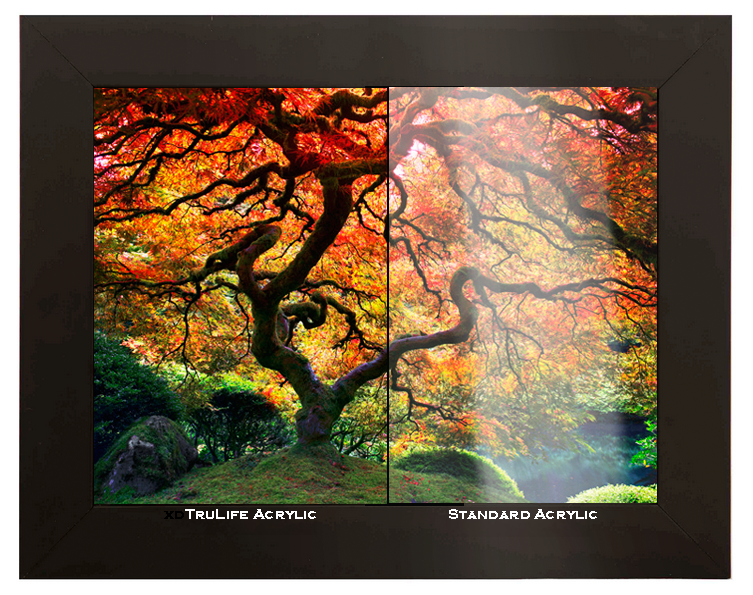
I use Lumachrome® TruLife® Acrylic, which is widely regarded as the best acrylic print material available today. Through the Lumachrome® process, images are printed at an incredible 1200dpi on a proprietary metallic paper, then mounted to anti-reflective TruLife® Acrylic for the most vibrant colors, depth and clarity.

What Is a Metal Print and How Is It Made?
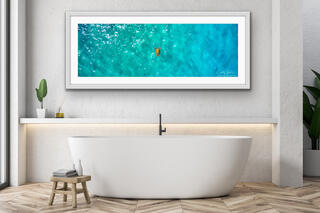
Metal prints are created by infusing dyes directly into specially coated aluminum using a process called dye-sublimation. The result is sleek, modern, and extremely durable. Metal prints have a distinct look with brilliant color, clean edges, and a floating, frameless presentation that’s popular in contemporary spaces.
I use ChromaLuxe HD Metal Prints, the highest-quality metal prints in the industry. The printing process creates a stunning 3D look with a high luminance value and saturation. Each piece is finished with a unique Anti-Reflective coating developed specifically for fine art photography. This is my most popular print medium.
Comparing Image Quality, Vibrancy & Depth
Acrylic prints offer incredible depth and clarity that draw you into the image, as if you're standing in the scene. They’re ideal for detailed landscapes with subtle tonal transitions where you want the viewer to get lost in the layers of light, texture, and color. The acrylic surface enhances sharpness while giving the photograph a clean, luminous finish that feels elevated and immersive.
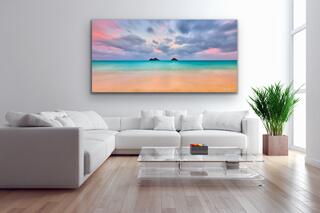
Metal prints, on the other hand, pop with vibrant color and crisp contrast. They’re especially striking for high-saturation images, bold sunsets, dramatic skies, or minimalist compositions with strong lines and contrast. This medium loves color and thrives in modern spaces where you want the artwork to make a statement.
Both options feature anti-reflective surfaces that reduce glare and enhance visibility in a variety of lighting conditions. Whether you're placing your piece in a sunlit room or under gallery-style lighting, these premium materials are designed to perform beautifully.
Durability, Maintenance & Lifespan
When you invest in fine art, you want it to last a lifetime—ideally longer. Both acrylic and metal fine art prints are designed to stand the test of time.
Durability:
- Metal prints are incredibly tough. They are scratch-resistant, waterproof, and virtually indestructible.
- Acrylic prints are also durable, especially with the TruLife® surface, though they should be handled with a little more care.
Glare:
- Standard acrylic prints can have issues with glare, but TruLife® Acrylic blocks reflections drastically reducing glare. A matte/non-glare finish is also available by request.
- Metal prints come standard with a glossy finish for maximum impact and color depth, but also are available in a non-glare/matte finish by request.
Cleaning:
- Metal prints can be regularly dusted with a soft cloth or feather duster. You can also use a soft cloth and a glass cleaner or all-purpose cleaner, if necessary.
- Acrylic prints can also be regularly dusted and cleaned with a soft cloth and a regular glass cleaner.
Longevity:
- Lumachrome® TruLife Acrylic is the most archival material with prints rated for 100+ years.
- HD Metal Prints are durable, waterproof, and fade and UV resistant for archival quality prints that will last a lifetime. The latest Wilhelm Imaging Research suggests them archival to at least 65 years.
Artistic, Collectability & Gallery Considerations
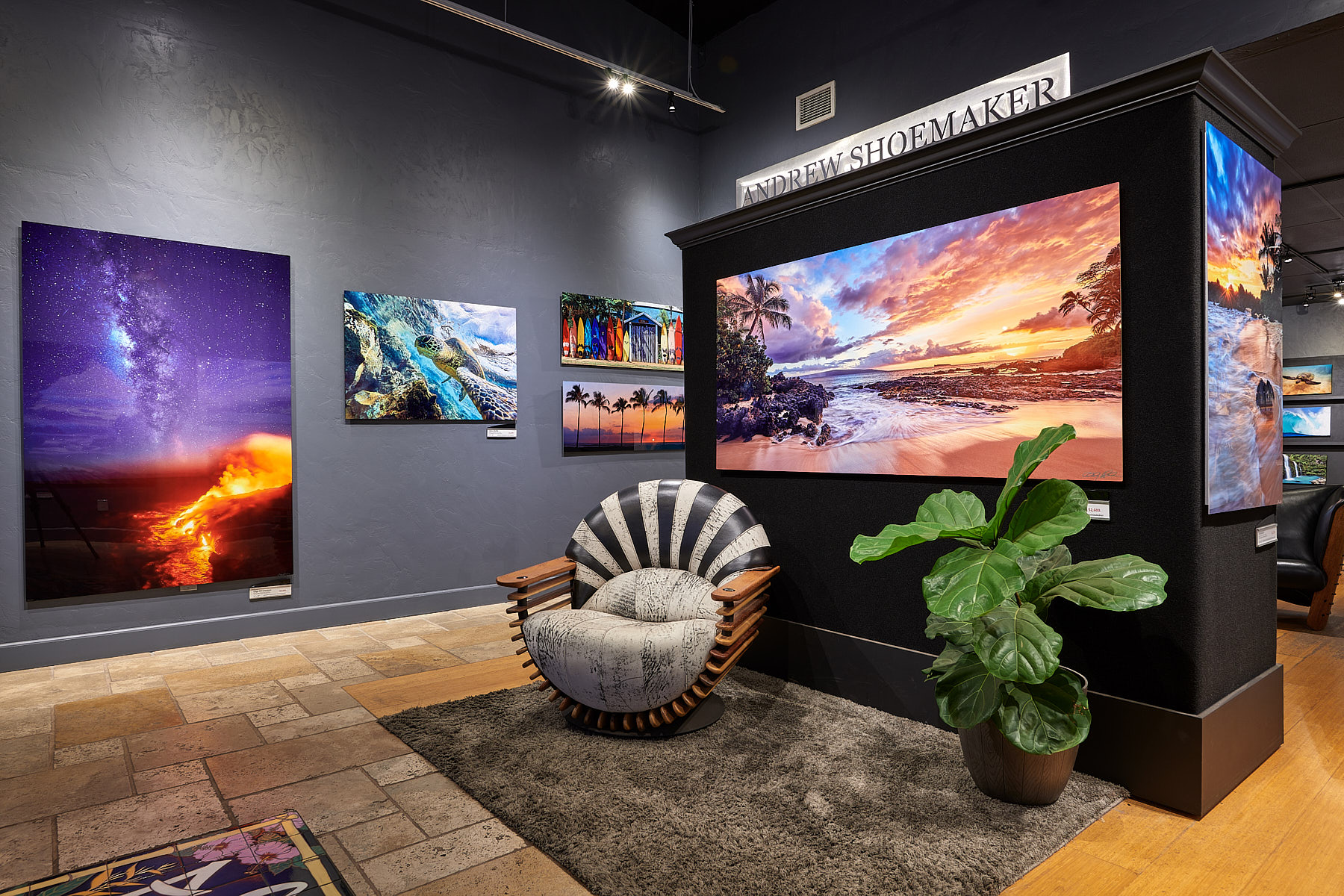
From a collector’s perspective, acrylic facemounts are widely seen as the premium option. They’re the standard in galleries and museums because of their depth, clarity, and archival stability.
That said, metal prints have grown in popularity, especially for modern interiors. They’re bold, clean, and incredibly easy to maintain, making them a smart choice for high-traffic areas or open homes with lots of light.
For my fine art photography prints, I offer limited editions in acrylic and open editions in metal. Depending on the piece you’re interested in, that might guide your decision as well.

Framing & Mounting
Metal prints do not require a frame. They come ready to hang with a 3/4" aluminum frame on the back of the print with a french cleat hanging system. Because they are frameless and very lightweight, metal is a good choice for larger prints.
Acrylic prints don't require a frame either, but sometimes a frame adds a level of elegance to the presentation. For those who prefer framed prints, I offer Italian Roma frames and liners for acrylic prints.
For more information about hanging prints, visit my guide for hanging fine art prints which includes a video to show you how it's done.
Acrylic Print vs Metal Print Pros and Cons
Acrylic Facemount Prints
Pros:
- Deep, luminous 3D effect
- Museum-grade archival quality (100+ years)
- Anti-reflective TruLife® acrylic reduces glare and blocks 99% of UV light
- Works beautifully with luxury framing
- Ideal for collectors, galleries, and highly detailed imagery
Cons:
- Higher investment cost due to premium materials
- Heavier than metal (especially if framed)
- More fragile overall
HD Metal Prints
Pros:
- Vibrant, bold color with a modern feel
- Lightweight, waterproof, and scratch-resistant
- Anti-glare and UV protection
- Great for minimalist interiors or humid environments
- Easy to install and maintain
Cons:
- Slightly less dimensional depth than acrylic
- Limited framing options (but framing is available)
Still Not Sure? Ask the Artist or Consultant
If you're unsure which material will work best for your setting or the image you're drawn to, don’t hesitate to ask. Most galleries (mine included) are happy to help guide you toward the right choice.
You may want to ask:
- What specific brand of acrylic or metal is used?
- What framing or mounting hardware comes with the print?
- Do you have recommendations based on where I plan to display the piece?
So, What Is Better Acrylic or Metal Prints?
The truth is, there’s no wrong answer. Both options offer incredible quality, and the best choice really comes down to your space and personal style.
Every print I offer is produced using the highest-quality materials available in the world today, from Lumachrome® TruLife® acrylic to HD Metal Prints. So no matter which direction you go, you’re getting a stunning, museum-quality print. Curious how your favorite image will look in your space? Use the Wall Art Visualizer to see it at scale or reach out directly for personalized advice.