
Nature, Art, and Wellness: How Fine Art Photography Supports Biophilic Art
We’re wired to seek nature. It’s in our biology.
The biophilia hypothesis says humans have an innate desire to connect with nature. When we’re disconnected, we feel it.
Biophilic design is about reconnecting people with nature in the built environment through light, plants, textures, and natural forms. And it matters more than ever: we now spend 80 to 90% of our time indoors.
As a landscape photographer, I’ve always been drawn to the raw beauty of places like Maui’s coastline, the deserts of the Southwest, and the quiet forests of Japan. And, I firmly believe that fine art nature photography offers a beautiful, practical solution.
I’ve seen how that beauty can transform interiors; not just visually, but emotionally.
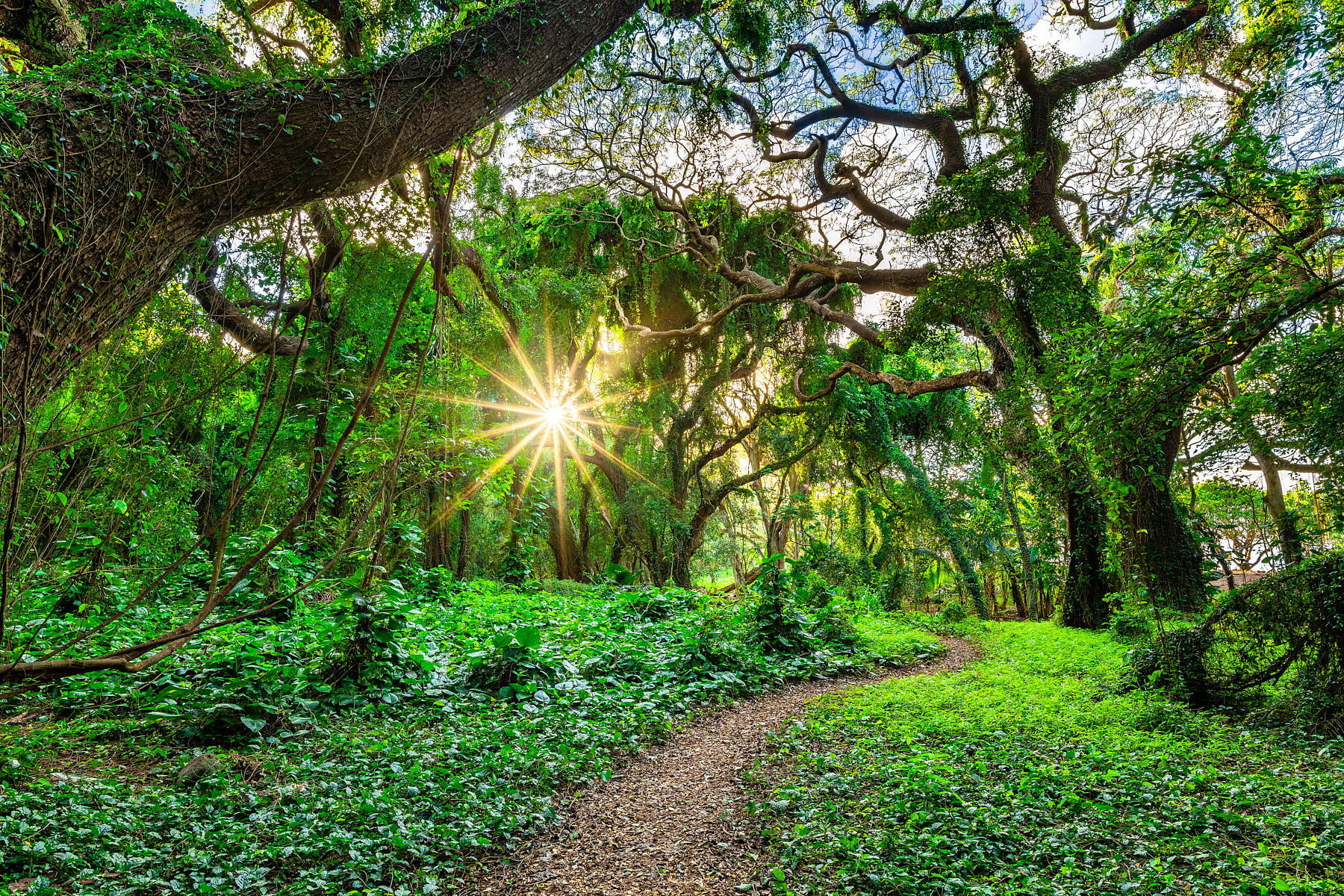
A really amazing scene I discovered while walking through Honolua Bay. Decided to include the setting sun in this shot as well as it was peeking through the trees and this lens makes a fantastic sun star
Collector's Edition of 50
What Is Biophilic Design?
Biophilic design is more than just adding a plant to the corner of a room. It’s about intentionally weaving nature into the way a space looks, feels, and functions.
That might mean using natural light, earthy textures, calming colors, or images that evoke a strong connection to place.
When done right, biophilic design doesn’t just mimic nature, it invites it in.
Biophilic Art Helps Create Healing Spaces
Nature has a calming, restorative effect that we feel instinctively and that science continues to support. Biophilic design taps into that by creating environments that reduce stress and support well-being. That’s why I feel that biophilic art is so important in homes, offices, hotels, and even hospitals.
We’ll get into the details soon, but this is where biophilic art plays a powerful role. Photography offers a beautiful, practical way to bring that feeling of the outdoors into spaces where real nature isn’t always possible.
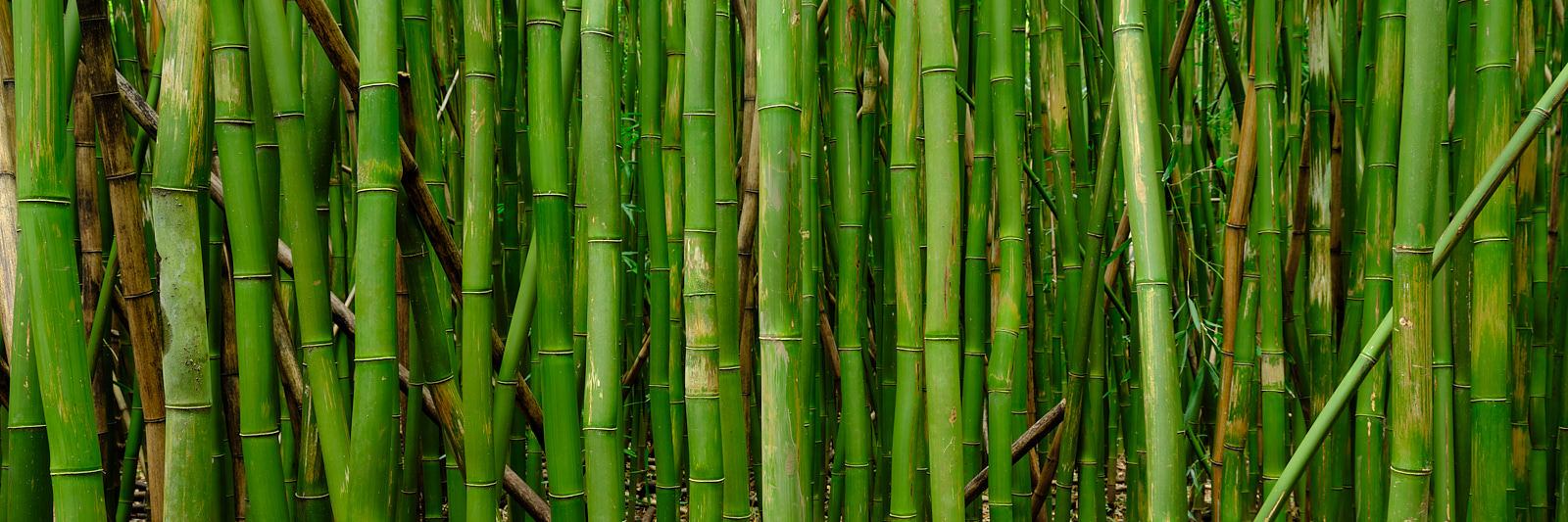
I don't know why, but I've always loved bamboo. Has always been kind of something exotic to me I suppose. Have you ever heard the sound that the bamboo makes in the wind? Absolutely unforgettable. I captured this with a new medium format camera for the highest print quality
Collector's Edition of 50
The 6 Biophilic Design Principles That Turn Interiors Into Sanctuaries
“The human relationship with nature is a deeply felt and essential bond; not just aesthetic, but psychological and biological.” — Stephen Kellert
That quote has stayed with me since the first time I read it. His six principles of biophilic design immediately clicked with me. They reflected what I had seen (and felt) for years while capturing places like the rugged cliffs of Maui or the stillness of a desert sunrise.

Water has always been something that has relaxed me for some reason. Photographing water also has the same effect on me and it's something I'm just drawn to with my camera. I captured this on a whale watch off the coast of Maui and while I was supposed to be looking for whales, I found myself mesmerized by the movement and reflections in the water and had to capture this.
Collector's Edition of 100
Biophilic design principles are a blueprint for creating spaces that feel alive, balanced, and human.
- Environmental features : These include natural elements like light, water, greenery, and fresh air and helps bridge the gap between the outdoors and indoors.
- Natural shapes and forms : Even the organic, non-linear forms found in nature can change a space. Think of curved lines, leaf patterns, and branching structures.
- Natural shapes and forms : Even the organic, non-linear forms found in nature can change a space. Think of curved lines, leaf patterns, and branching structures.
- Light and space : Light can dramatically impact mood. This principle includes natural lighting, shadow play, depth, openness, and spatial arrangement.
- Place-based relationships : This emphasizes a connection to local landscapes, cultures, and ecosystems.How does nature photography impact Biophilic design? Using local materials, imagery, and cultural references can help create a deeper sense of connection to the surrounding environment.
- Evolved human-nature relationships : Our connection to nature isn’t just visual; it’s emotional and instinctual, shaped by thousands of years of evolution. We’re drawn to places that feel safe yet offer something to explore.Good biophilic interior design gives us both: areas to retreat and recharge, and moments that invite curiosity and connection.
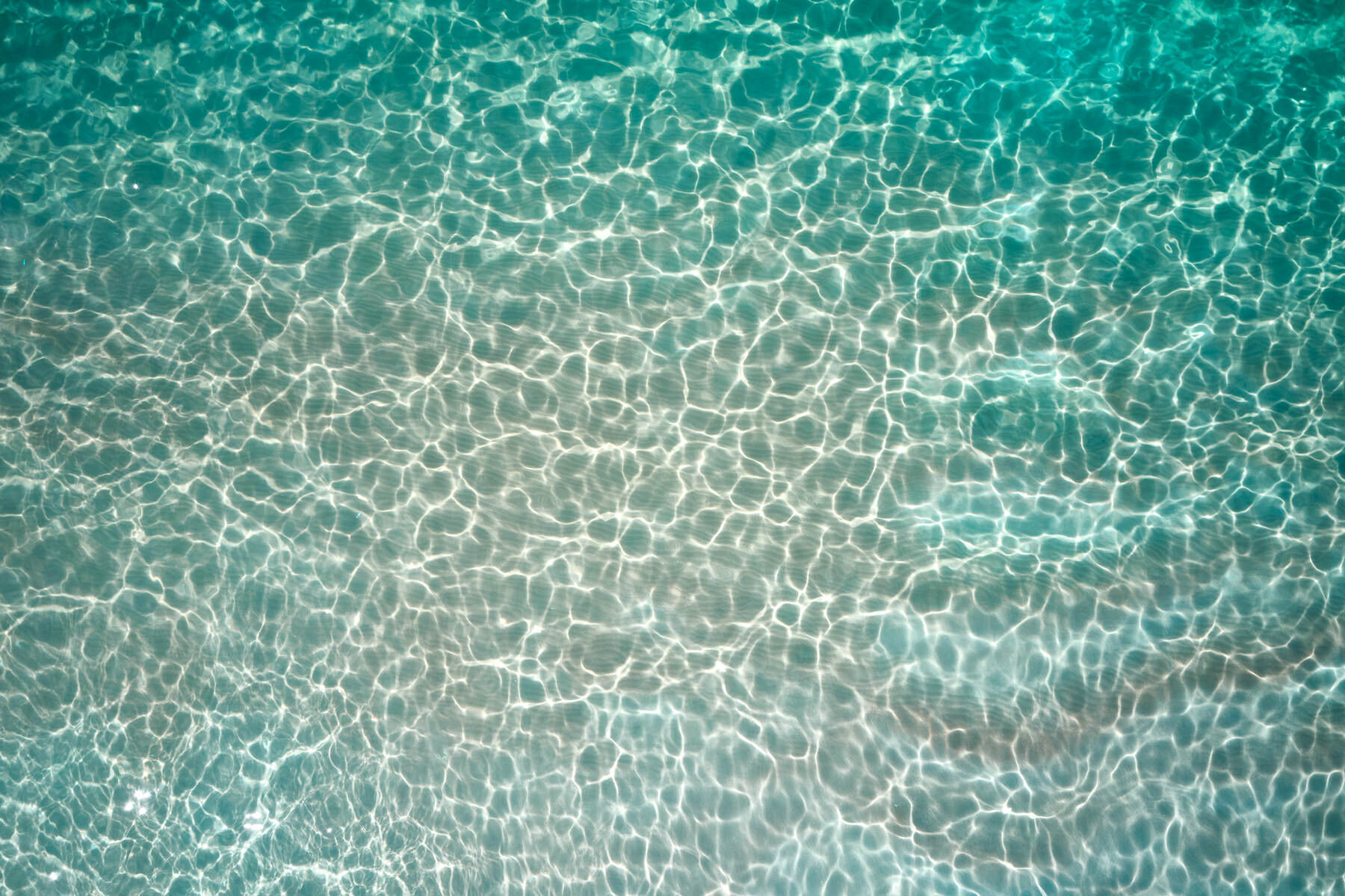
The ocean has always done something to put my mind at ease. There is a certain area just before the waves break on the beach that is just magical and mesmerizing to look at and I felt I had to capture it.
Collector's Edition of 100, Artist Proof of 1
I don’t have the space to go into all the theory here, but if you’re interested in digging deeper into these ideas, I highly recommend exploring Stephen Kellert’s work.
Can Photography Be a Biophilic Design Element?
I think of it this way: When nature isn’t possible, photography still is.
Photography is considered an indirect biophilic experience. It doesn’t involve living elements, but it still creates a strong connection to nature, especially in spaces where real plants, water features, or natural light aren’t possible. That makes it ideal for interior rooms, hallways, hotels, hospitals, and offices.
Fine art photography aligns with several of these principles, especially when it’s rooted in real landscapes and captured with intention.
It supports:
- Natural patterns – through textures like clouds, waves, trees, and stone
- Light – by capturing golden hour, shadow play, and diffused light
- A sense of place – especially when tied to a specific region like Hawaii or the Southwest
- Visual engagement – offering depth, emotion, and a calming focus
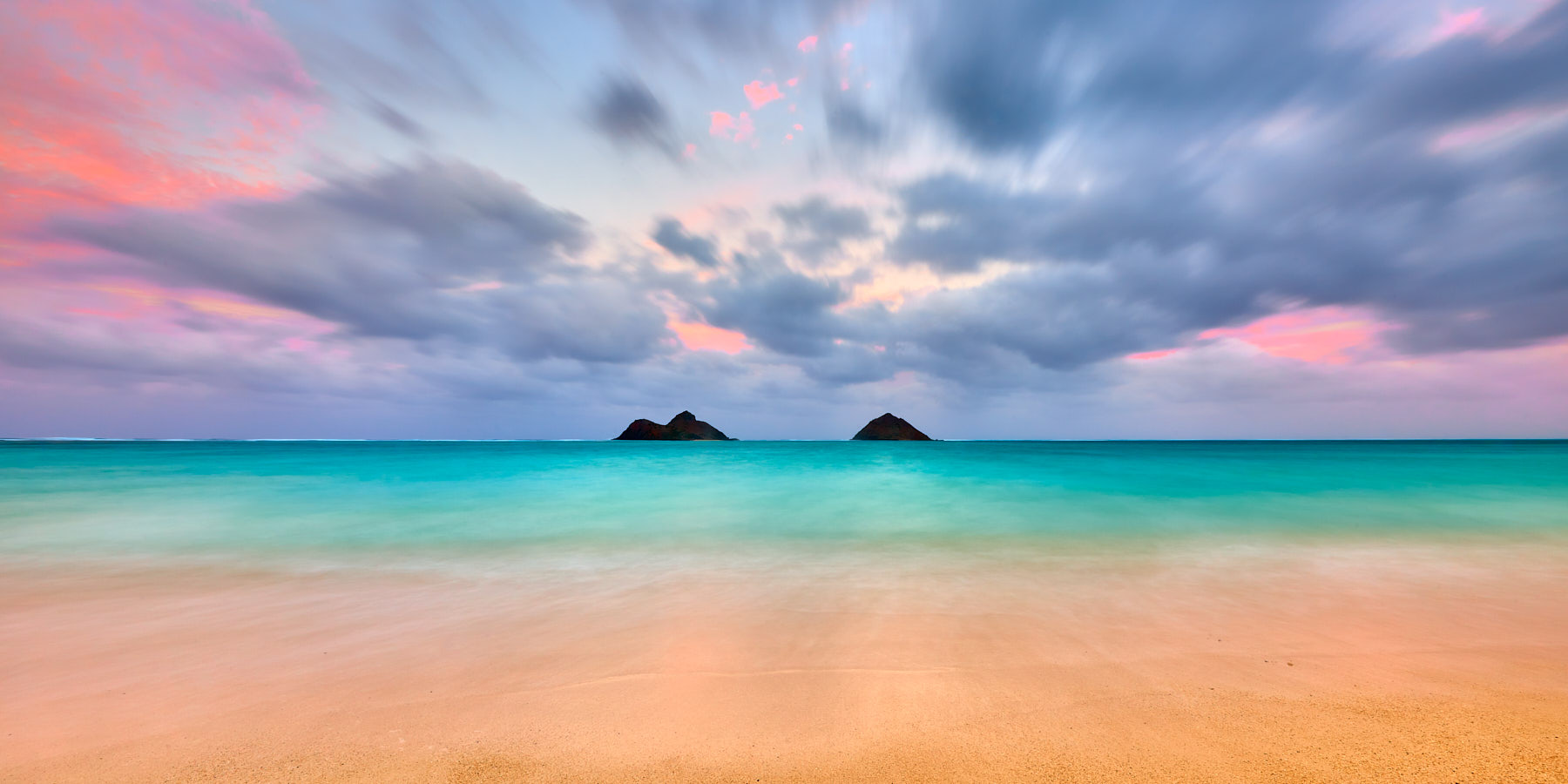
One of the most peaceful zen type of an image that I've created, a long exposure at Lanikai Beach on the island of Oahu just has a surreal look. The water color and pastel tones here at sunset are just really special
Collector's Edition of 50
How Photography Supports Biophilic Design Patterns
Apart from the 6 principles (why we connect with nature), biophilic design is guided by 14 patterns (how we bring that connection into a space). While the principles set the intention, the 14 patterns of biophilic design, proposed by Terrapin Bright Green, give us the tools.
Photography aligns beautifully with several of these design patterns, here’s how:
- Visual Connection with Nature - This is photography’s sweet spot. It offers clear, recognizable images of natural landscapes: forests, oceans, skies, especially valuable where windows or real views aren’t available.
- Non-Rhythmic Sensory Stimuli - While this pattern often refers to subtle movements (like rustling leaves or flickering light), certain landscape photographs, like waves crashing or birds in flight, can evoke a similar sense of natural spontaneity.
- Dynamic & Diffuse Light - Photography captures fleeting light moments: sunrise, golden hour, dappled forest light, adding a sense of depth and variation that mimics how we experience light outdoors.
- Biomorphic Forms & Patterns - Natural patterns like tree branches, ripples, or sand dunes appear frequently in landscape imagery. These fractal forms are visually soothing and rooted in how our brains process nature.
- Prospect & Refuge - Wide, open landscape shots create a sense of prospect; visual breathing room. More intimate, enclosed compositions (like a forest path or canyon) evoke refuge; a safe space to retreat.
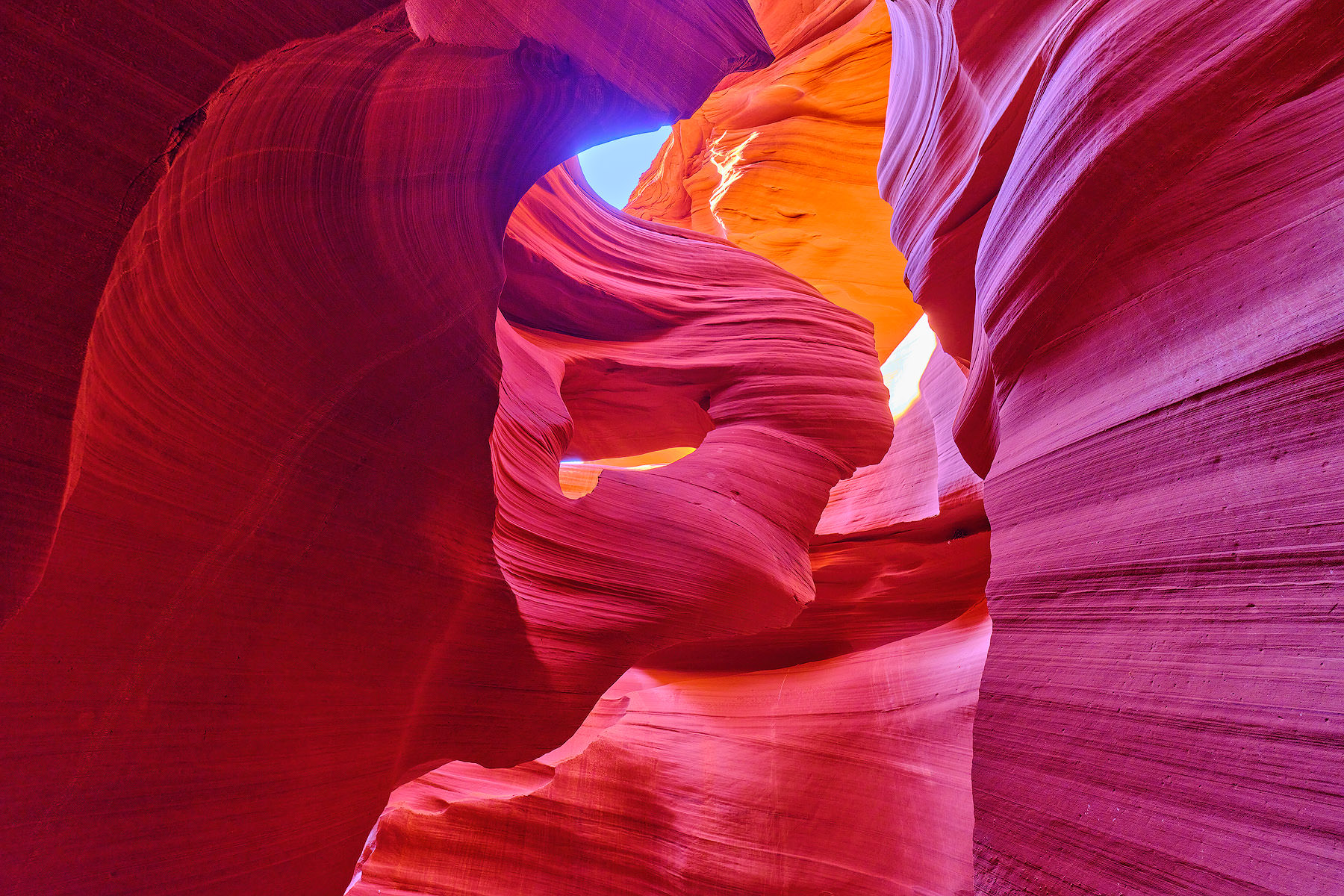
I was completely in awe within this slot canyon in Arizona. These sandstone formations take millions of years to form from flash floods and it almost feels as if you're in a sanctuary. Here I see the female form with her hair blowing in the wind. Truly a magical place and a special image to me
Collector's Edition of 100
What Makes Nature Photography Powerful Biophilic Art
I’m a nature photographer, so I might be biased but science backs me up on this one.
In many built environments, direct access to nature just isn’t possible. Think windowless rooms, urban buildings, and hospital corridors. Here plant or water features just don’t work.
When real nature isn’t an option, photography steps in.
- Nature photography reduces stress, improves focus, and promotes calm. Even looking at images of the outdoors has been shown to trigger restorative responses in the brain.
- It’s also practical. No maintenance, no lighting conditions, no water leaks. Just meaningful visual connection, anywhere.
- It scales beautifully. From personal spaces to large commercial installs, photography adapts to mood, size, and setting.
Bottom line: Nature photography makes biophilic design possible in places nature can’t reach.
Where Nature Photography Works Best (In My Experience)
- Corporate and Office Spaces: Photography brings focus and calm to high-stress environments. Ocean scenes, forests, or open landscapes help quiet the mind and support creativity, especially in boardrooms, break areas, and private offices.
- Healthcare and Wellness Settings: Nature imagery supports healing. Studies show it can lower blood pressure and reduce anxiety. Hence, landscape photography works so well as biophilic wall art in clinics, therapy rooms, hospitals, and wellness spas.
- Hotels and Hospitality: Biophilic design should be the norm in hospitality as guests want a sense of escape and connection. Photography rooted in local landscapes can elevate the entire mood of a room and add luxury, meaning, and a strong sense of place.
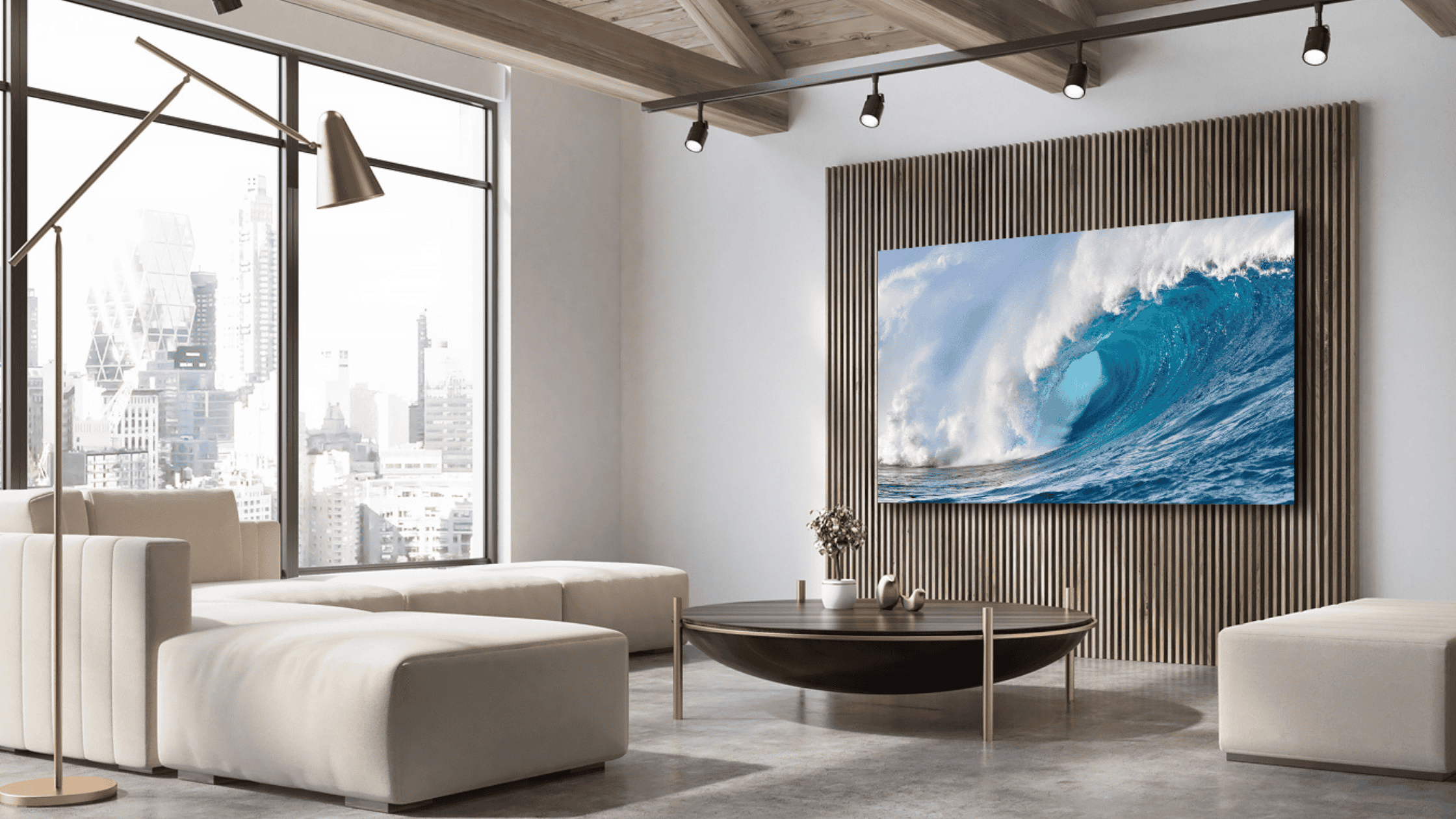
- Homes: A well-placed landscape image can completely shift the energy of a home. Whether it’s a quiet forest print in a bedroom or a bold ocean vista in a living room, photography creates a daily sense of serenity and personal connection.
The Real-World Perks of Using Photography in Biophilic Design
Here’s why photography can be one of the most practical and powerful biophilic elements you can add:
- Works in any space: From dark hallways to enclosed offices, photography brings nature where real elements can’t go.
- Low maintenance, high impact: No watering, lighting conditions, or upkeep. Just install and enjoy.
- Durable and clean: Especially important in healthcare, hospitality, and high-traffic areas as photography doesn’t wilt, break, or invite pests.
- Customizable: Available in multiple sizes, tones, and finishes: from calming canvas to sleek metal or acrylic. Easy to match any interior palette or mood.
- Aesthetic + Emotional Value: Great photography doesn’t just fill a wall, it lifts the energy of a room. It can ground people, spark memories, and inspire connection.
- One-Time Investment: No recurring costs. Just a lasting upgrade to the space’s look, feel, and function.
Creating Spaces That Soothe, Inspire, and Connect
Nature photography isn’t just wall art, it’s a way to shape how a space feels. The right image can calm the mind, spark creativity, and help people feel more grounded.
Whether you're creating a place to heal, focus, unwind, or simply breathe deeper, fine art photography brings the essence of nature into any space: beautifully and effortlessly.
If you're ready to explore what that could look like:
- Browse the gallery for curated collections from Hawaii, the Southwest, Japan, and beyond
- Reach out if you’re working on a residential, hospitality, or wellness project
- Bring the calm of the natural world to your inbox. Sign up for the newsletter for curated nature photography.
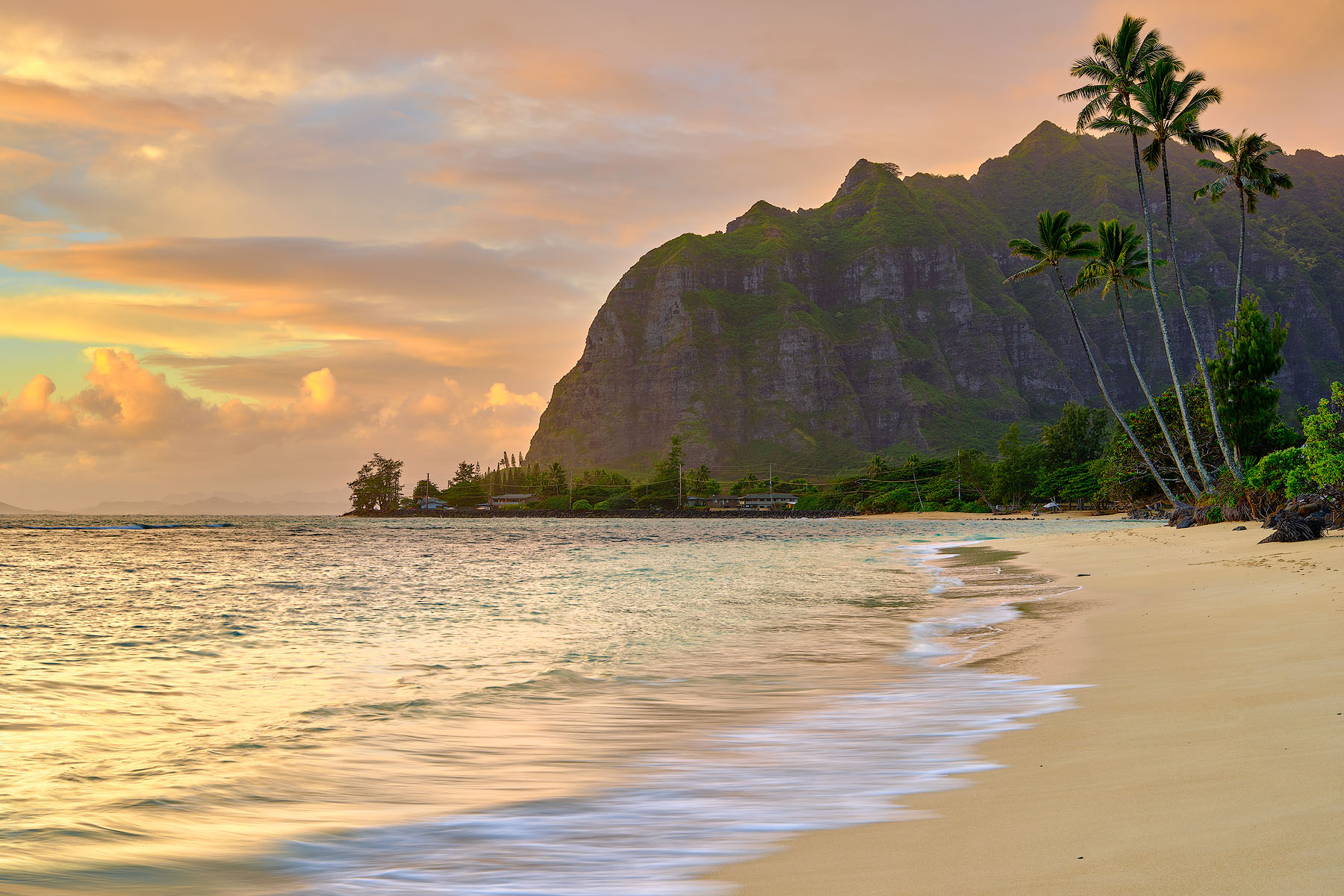
A beautiful beach I captured along the north shore of Oahu. Just truly a pleasure to capture this beautiful moment.
Collector's Edition of 50